
It’s Monday. You have been warned!
@HG21C on Parkinson’s Law, the Law of Triviality and the Law of Delay
It’s Monday. You have been warned!
@HG21C on Parkinson’s Law, the Law of Triviality and the Law of Delay
If you have some time this weekend read AI companies will fail. We can salvage something from the wreckage by Cory Doctorow. I don’t agree with everything he writes, but it sure got me thinking…
This is very nice!
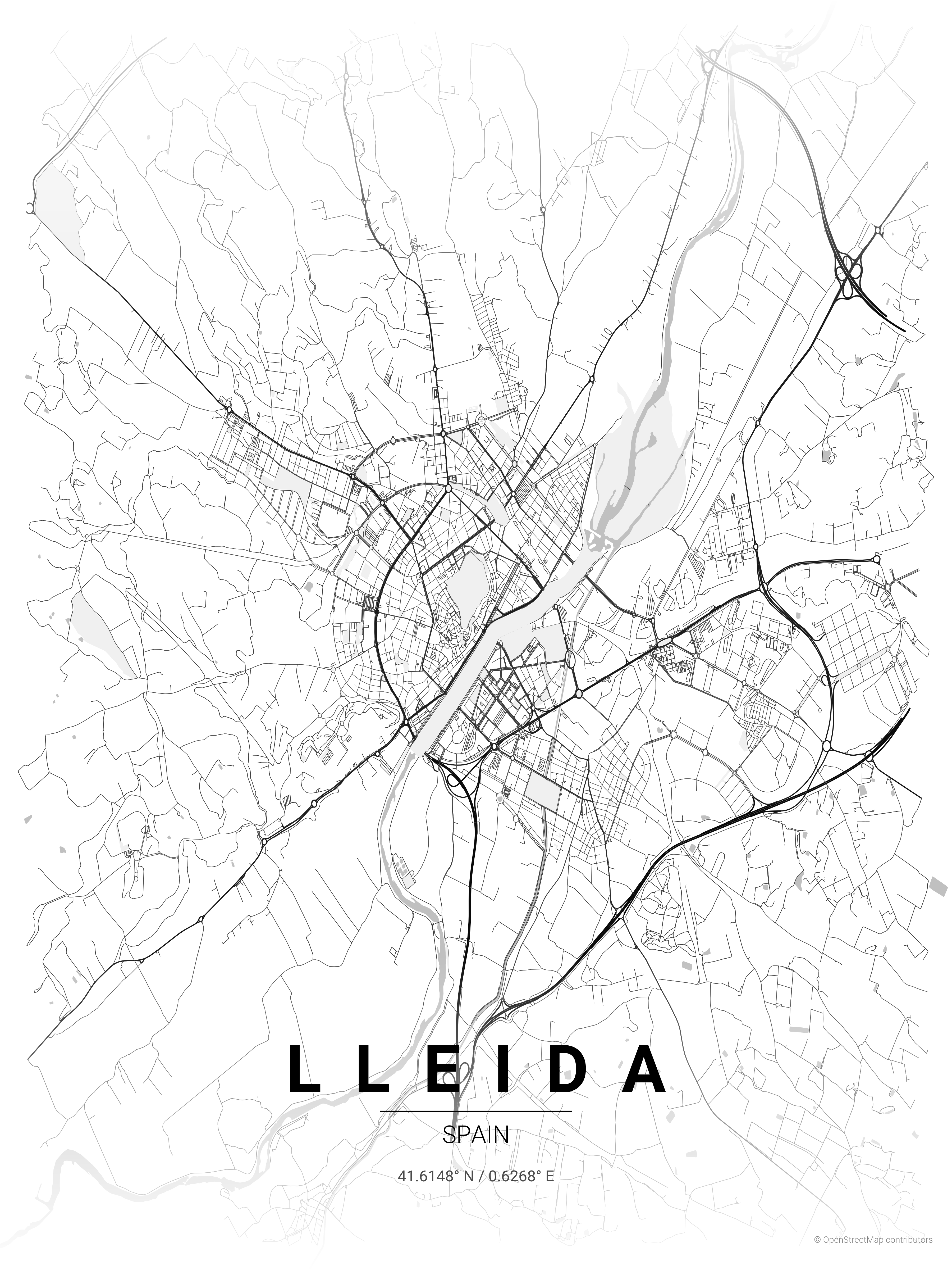
I used the free Map to Poster service to generate a beautiful black and white map poster of Lleida.
¿Cuántas veces has abierto ChatGPT esta semana? ¿Y la semana pasada? Si eres como la mayoría de profesionales con los que trabajamos, la respuesta probablemente sea «muchas». La inteligencia artificial ya no es algo que está por llegar. Está aquí, en tu día a día, ayudándote a redactar correos, resumir documentos o pensar en voz alta sobre un problema complejo.
Y sin embargo, nosotros hemos estado callados.
Bueno, casi callados. En 2023 publicamos el episodio 259 Prepárate para la llegada de la inteligencia artificial. Compartimos nuestras primeras impresiones, exploramos posibilidades, hablamos de lo que veíamos venir. Y desde entonces… silencio. Nada más sobre el tema en casi dos años.
No ha sido por falta de interés. Ni porque no estemos usando IA a diario. De hecho, en nuestras sesiones de coaching ayudamos constantemente a nuestros clientes a integrar estas herramientas en sus sistemas de trabajo. Lo hacemos cada semana.
Entonces, ¿por qué el silencio?
Porque teníamos miedo de escribir algo que dejara de ser útil en tres meses.
La tecnología avanza a un ritmo que da vértigo. Lo que hoy es una funcionalidad revolucionaria, mañana es estándar. Lo que hoy requiere un tutorial detallado, dentro de seis meses ni siquiera existe porque la interfaz ha cambiado por completo.
Y nosotros no queríamos contribuir al ruido.
No queríamos crear contenido que te hiciera invertir tu tiempo en aprender algo que pronto quedaría obsoleto. Esto nos preocupa especialmente con productos de pago, donde la sensación de haber comprado algo que ya no sirve es frustrante. Pero también con contenido gratuito, porque tu tiempo no es gratuito. Cuando dedicas media hora a leer o escuchar algo nuestro, estás haciendo una inversión. Y queremos que esa inversión tenga el mejor retorno posible.
Así que nos pusimos a trabajar en silencio.
Durante estos casi dos años, hemos estado buscando el enfoque que los anglosajones llaman evergreen. Contenido perenne. Ideas y principios que mantengan su valor independientemente de si usas ChatGPT, Claude, Gemini o la herramienta que venga después.
Hemos observado qué funciona y qué no en las sesiones con nuestros clientes. Hemos visto patrones. Hemos identificado los errores comunes, las resistencias naturales, los momentos de iluminación. Y sobre todo, hemos entendido qué hace que la IA sea realmente útil para tu efectividad personal, más allá del asombro inicial.
No se trata de enseñarte a usar una herramienta específica. Se trata de ayudarte a pensar sobre la IA de una manera que seguirá siendo válida dentro de dos, cinco o diez años. Se trata de principios, no de tutoriales. De estrategia, no de tácticas que caducan.
Muy pronto vas a ver cómo se refleja todo esto en el contenido que compartiremos. Y cuando lo veas, esperamos que sientas que tu tiempo está bien invertido.
¿Qué esperas tú de la IA en tu trabajo? ¿Buscas trucos rápidos o quieres entender cómo integrarla de verdad en tu manera de trabajar?

Currently reading: El infinito en un junco by Irene Vallejo 📚
Remember when ChatGPT first appeared and you thought everything would change overnight?
Three years later, most knowledge workers still just use it for spell checking and fancier Google searches.
The tools are ready. The breakthrough isn’t.
When do you think it actually tips?
You know that moment when you think, “I’ll just send a quick voice message, that’ll be faster”?
Yeah, that never works out for me.
I start recording. Stumble over my words. Delete. Try again. Forget what I wanted to say halfway through. Delete again. Third attempt, I finally get it right, but now I’ve rambled for two minutes about something that needed three sentences.
Meanwhile, typing the same message? Done in 30 seconds. Straight to the point. No awkward pauses, no “uhm” sounds, no deleting and starting over.
I’ve timed it. Typing is literally four times faster for me than recording a voice message. Plus, when I type, I stay focused. When I record, I somehow turn into a podcast host who forgot their script.
Don’t get me wrong, voice messages have their place. Sometimes you need that context, that tone, that human touch. But for quick updates? Give me a keyboard any day.
Do you have the same problem, or am I the only one who needs three takes to say “running 10 minutes late”?

Currently reading: Sell Like Crazy by Sabri Suby 📚
I’m not expecting much, most marketing books are pretty shallow and mostly written to sell the author’s services. But someone recommended this one to me, so I’ll at least skim through it.
In my mind, webinar is a synonym for sales pitch