
Una consejo muy atrevido en la guía de Microsoft Outlook:
No es necesario (y en el caso de grandes volúmenes, probablemente no pueda) leer todos los mensajes que le envían.
Una consejo muy atrevido en la guía de Microsoft Outlook:
No es necesario (y en el caso de grandes volúmenes, probablemente no pueda) leer todos los mensajes que le envían.
In the past, work was often simple and predictable. There were fixed processes and predictable outcomes, as Armand Hatchuel describes. This made it easy to measure and manage performance. If there were problems, such as a broken machine or a sick employee, managers could quickly intervene to achieve the same results.
Today, work is different. Hatchuel calls this “unconfined” work. It involves jobs like knowledge work, care work, and creative work, where you don’t know in advance what the outcome will be. Innovation and surprising outcomes are often the goal. This means you only know what the result is once it’s finished. There is a lot of uncertainty about how much effort it takes to achieve these unpredictable results. For example, a home care worker doesn’t know what they will encounter with a client, a designer doesn’t know how a client will react to an idea, and a software developer can’t always predict what problems will arise with the code.
Modern work is thus unconfined because it is not tied to fixed rules or predictable results. It requires a lot of flexibility and adaptability from workers, whether the work is physical or mental. The real challenge is dealing with the absence of boundaries and navigating the uncertainties and complexities that come with this type of work.
Photos: Building Human Towers in Spain
One of the most impressive parts of Catalan culture that everyone should see at least once in their life.
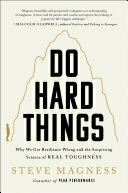
Currently reading: Do Hard Things by Steve Magness 📚
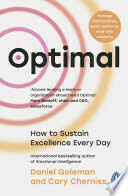
Finished reading: Optimal by Daniel Goleman and Cary Cherniss📚
This was a bit of a letdown, as it came across more like a sales pitch than actionable advice. That said, I did appreciate the initial insights on the challenges of achieving a ‘flow’ state—those were promising.
No malgastes tu tiempo en cursos para aprender a escribir el mejor «prompt» para la inteligencia artificial. Es probable que la IA aprenda a entender tus preguntas antes de que puedas mejorar tus mensajes.
Messages on my iPad has a notification issue.
Three concerts in The Netherlands, but only one in Spain? Come on Pixies!
I had two kinds of reactions to these tips: either “This does not solve any problem I am facing“ or “Duh, I have been doing this for years“.
For years, I’ve been a loyal user of the Reeder app to keep up with my favorite feeds. The classic version, as it’s now called, has been my go-to tool for organizing and reading articles. I meticulously sorted everything into folders and made it a daily ritual to check for new content, whether in the morning or sometimes even in the afternoon. It was my way of staying updated on the topics that interest me.
Recently, I installed the new version of Reeder, and it introduced a completely different paradigm. Instead of the traditional folder system with unread counts, the new Reeder presents a more fluid experience. It’s like a river of information flowing by, where articles and updates come and go. This new approach also allows for the integration of social media feeds, particularly from platforms like Mastodon and Micro.blog, all in one seamless stream.
One of the features I appreciate the most is that the app remembers where I left off. When I open Reeder, it picks up right where I was, allowing me to continue reading without missing a beat. I can easily scroll through the feed, quickly skimming through articles, and only diving deeper into the ones that catch my interest. This is a significant shift from my old habit of treating my reading list like an inbox that needed to be emptied.
This new method of handling information feels more natural to me. Instead of feeling the pressure to read every single article, I can now dip in and out of the stream of content. It doesn’t matter if I miss a post here or there. The new Reeder aligns better with how I should be consuming information—more like a river that I occasionally wade into rather than a bucket that needs to be emptied.
After just half an hour of using the new Reeder, I was convinced. I decided to commit and paid for a year’s subscription, which was only 10 euros. This small investment seems like it will significantly improve my reading habits. Now, I can quickly scan through my feed, opening only the articles that truly interest me, rather than feeling obligated to read everything.
I’m excited to see how this new approach to handling information will evolve over time. The new Reeder has already made a positive impression on me, and I believe it will be a lasting change in how I consume content. If you’re looking for a more relaxed and efficient way to stay updated, I highly recommend giving the new Reeder a try. It might just transform your reading habits as it has mine.