
Do you really think your job is just copying and pasting text in and out of AI chats? Because that’s what you’re doing all day. 🤔
I just checked my Now page and wow: two months was all it took for everything to feel completely outdated. I’ve updated it, so it’s fresh again.
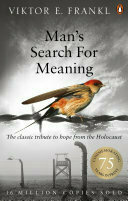
Currently reading: Man’s Search For Meaning by Viktor E Frankl 📚

Finished reading: Siddhartha by Hermann Hesse 📚
A Inipi ritual is a spiritual cleansing ceremony focused on connection and healing
An Inipi ritual is a traditional cleansing ceremony originally from the Lakota Indians of North America. The name “Inipi” means “to receive life again” and refers to the main goal of this ceremony: cleansing the body, mind, and soul. In the Netherlands, this ritual is also known as the sweat lodge ceremony. Although this specific form comes from the Lakota, similar rituals with hot stones have existed for thousands of years worldwide— from the Finnish sauna to ancient Irish sweat lodges, remains of which have been found by archaeologists dating back more than 10,000 years.
The ceremony takes place in a low, dome-shaped hut built of willow branches and covered with blankets. In the center of the hut, a pit is dug where glowing hot stones are placed, brought in from a ceremonial fire outside. When participants sit in the dark hut, water is poured over the hot stones, creating intense steam and heat. The ritual usually consists of four rounds, each with its own theme, such as welcome, connection, prayer, or thanksgiving. During these rounds, people sing, pray, or sit in silence.
The Inipi ritual goes far beyond mere physical cleansing, as in a regular sauna. It is intended as a spiritual experience where people connect with ‘All That Is’ and can experience the power of gratitude. The hut symbolizes the womb of Mother Earth, and the entire process represents rebirth and healing. Participants use this time to let go of their daily worries, give attention to those in need, and achieve personal growth and insight. The ceremony concludes with the expression “Mitakuye Oyasin,” meaning “we are all related,” emphasizing the interconnectedness of all life.
Related:
A task for today by @HG21C:
Close the week. Review the goals you set on Monday and set some for next week. Drop notes of thanks to those who helped. Write a note in your journal of what went well and what could have gone better and learnings. Do this for work and do it personally. Select a novel for the weekend. Go live life beyond e-mail, excel and PPT.
📸 Misty Meranges
Currently reading: Siddhartha by Hermann Hesse 📚
The biggest improvement in productivity I experienced recently is due to good voice transcription combined with AI to clean up my ramblings. I use Tana for this, but there are many other good solutions available. You should definitely try it too.
Once I stopped treating the keyboard as my only entry point, the whole shape of my work changed: Ideas flow faster, structure emerges in conversation, and clarity comes from rounds and rounds of “How’s this?” and “What about that?”
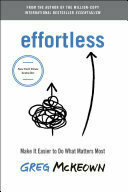
Finished reading: Effortless by Greg McKeown 📚
Not as insightful as Greg’s previous book, but still made me think.